


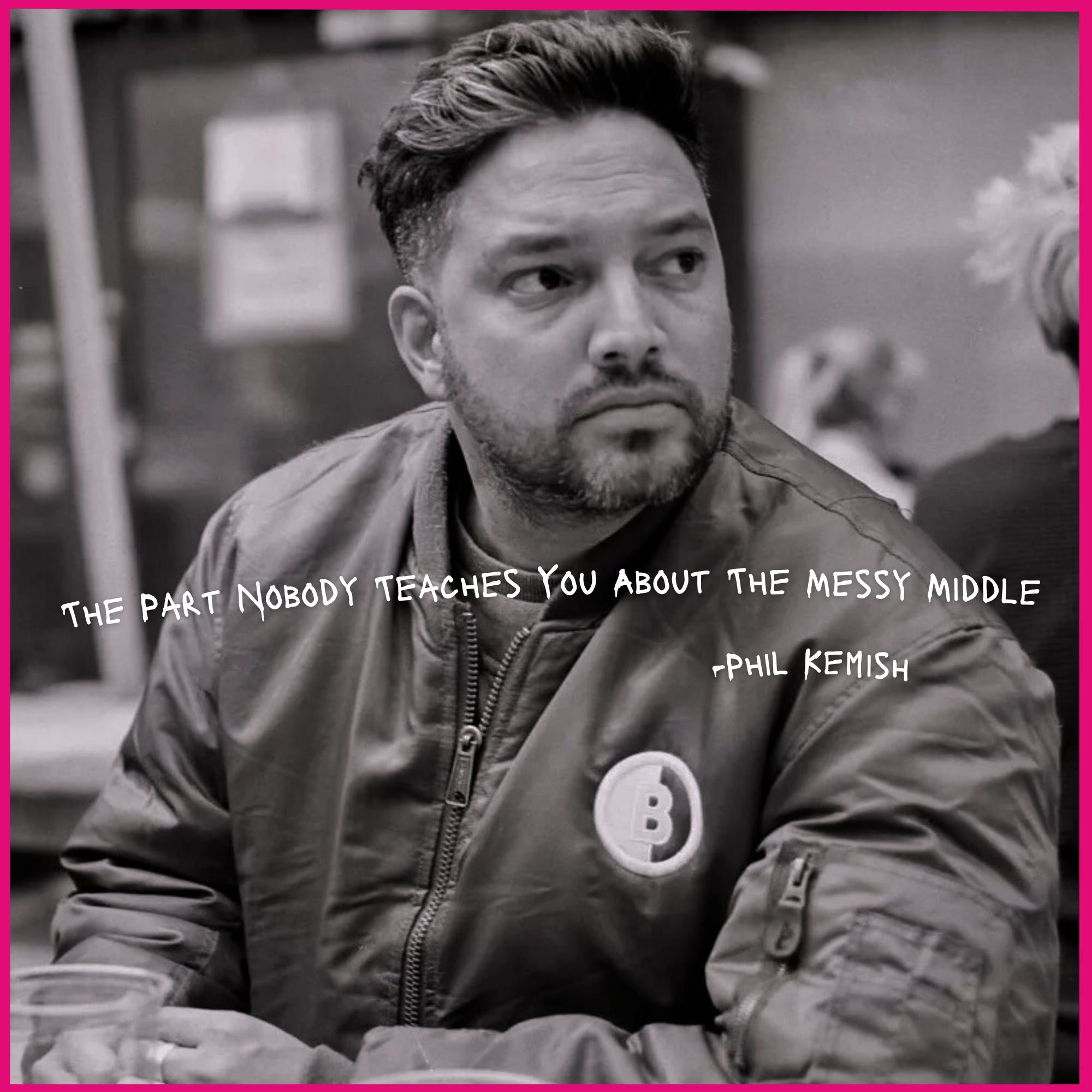
The Part Nobody Teaches You About The Messy Middle
Five years into building Reboxed, I found myself questioning something I hadn’t doubted in a long time.
Not the market. Not the team. Not even the model.
My belief.
From the outside, people see the progress. The partnerships. The awards. The momentum. And I’m proud of what we’ve built, genuinely. But there’s a version of this story that doesn’t make it onto the highlights reel. The one that happens at 11pm when the spreadsheet doesn’t quite add up, you can’t sleep and you’re lying alone with the weight of it. Nobody teaches you about that part.
Startups have seasons.
There are moments of pure beauty in this game. Early traction. The first customer who really gets it. The team growing and firing on all cylinders. The feeling that you’re building something that actually matters.
And then there are the other moments.
The model evolves. The market shifts. Cash gets tighter. People leave. Expectations get heavier. And somewhere in the middle of all of it, a question appears that you weren’t expecting:
Are we still on the right path?
This is the loneliness of leadership that nobody writes about. Not the sexy kind of hard — the grinding, unglamorous, keep-showing-up-anyway kind. The responsibility of other people’s livelihoods sitting on your shoulders. The weight of investor capital. The fear of getting it wrong quietly living alongside every decision you make.
You keep moving. You keep building. But the conviction that carried you through the early years gets replaced with something else.
Not certainty. Just persistence.
What I’ve come to understand is that this phase “The Messy Middle” is actually very common in companies that survive long enough to matter.
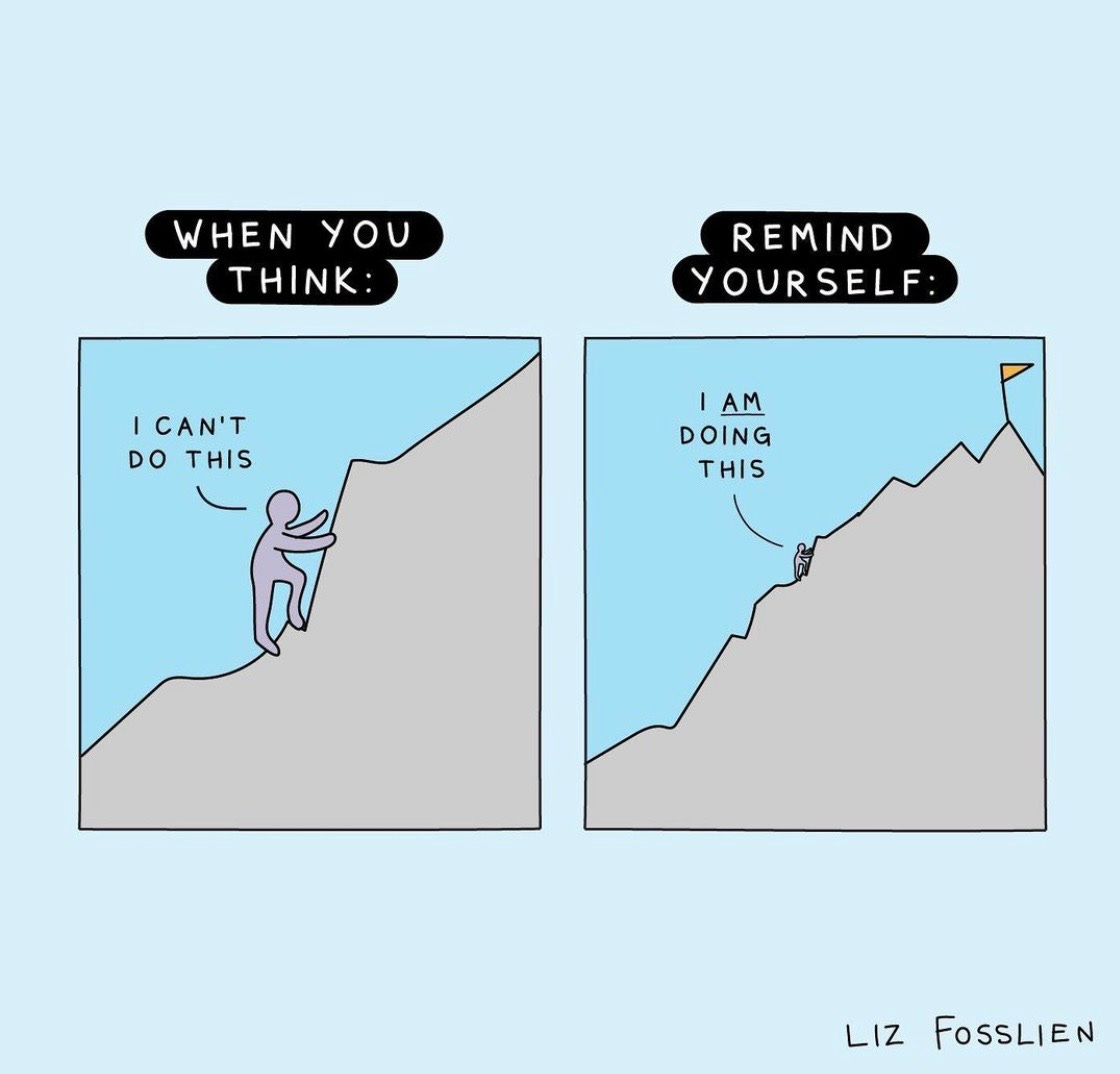
There’s a brutal stretch between early traction and real scale. Scott Belsky calls it the messy middle (he literally wrote the book on it). The space between finding product market fit and building something that actually scales. The first model stops working perfectly. The new model isn’t fully proven yet. You’re operating without a map, navigating by feel, trying to hold the team’s confidence while quietly rebuilding your own.
The problem is that what got you to £5m will kill you on the way to £30m.
You know that intellectually. But do you really know it? In your body, in your decisions, in the way you show up every day?
Early growth runs on founder energy. Hustle. Duct tape. Scrappy conviction and sheer force of will. And that works, for a while. It gets you off the ground. It proves the concept. It builds the early momentum.
But it doesn’t scale.
Getting through the messy middle is a different game entirely. It requires a different version of you. Less doing, more deciding. Less hustle, more clarity. Systems that work without you in the room. Leadership that multiplies rather than depends. A story you can tell with conviction even when you’re still living through the uncertainty of it.
That’s the transformation nobody puts in the business books.
As a founder, you carry things you can’t always put down.
You can’t share every doubt with the team - their belief is part of the fuel. You can’t always be transparent with investors about the wobble as confidence is currency. And you can’t always explain it to the people closest to you, because unless they’ve been in the arena, the words don’t quite land the way you need them to.
So you carry it.
And in carrying it, you can start to confuse the weight with failure. The doubt with weakness. The uncertainty with being on the wrong path.
But I’ve started to think about it differently.
The doubt isn’t a sign that something is broken. It’s a sign that something is being rebuilt.
The messy middle isn’t a crisis - it’s a transformation. And transformation, by definition, is supposed to be uncomfortable.
The mission wasn’t wrong. The business isn’t broken. The next chapter just looks different from the first one. And that’s not a problem to solve — it’s a reality to lead through.
So right now, I’m reminding myself of a few things.
We’ve built something real. Something with genuine impact and a reason to exist beyond the numbers. The team we’ve put together is the best we’ve ever had. The model we’re evolving is stronger than the one we’re leaving behind.
If you had offered me where we are today, this time last year — would I have taken it?
And none of that is certain. But it’s worth fighting for.
This is what being in the arena actually looks like. Not the highlight reel. Not the award on the shelf. Just a founder, in the middle of the game, choosing to keep showing up.
The job of the founder is not to have all the answers. It’s to keep showing up until they do.
And for now, that’s enough.
If this resonates, Skin in the Game is where I share the real journey, the lessons from the arena on business, leadership and what it really takes to win without losing yourself. Subscribe below.